Fryer Redwork: A Timeless Embroidery Design for Practical Projects
As an embroidery designer with years of experience evaluating digital embroidery files for both personal and commercial use, I always look for designs that offer a balance between visual appeal and real-world usability. Fryer Redwork is one such design that caught my eye—not just for its aesthetic charm but for the thoughtful flexibility it brings to the table. Whether you're creating custom apparel, personalized gifts, or small shop merchandise, this design has a unique personality that can elevate your finished product when used correctly.
A Classic Mood in Modern Stitching
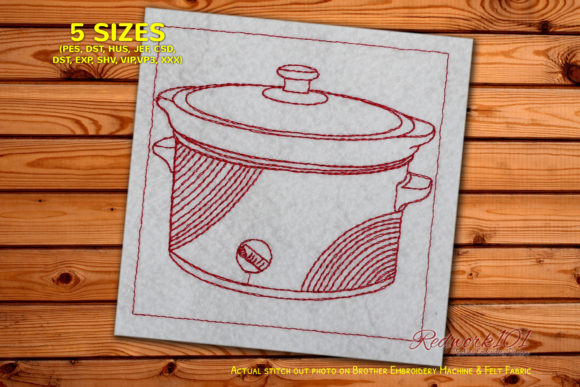
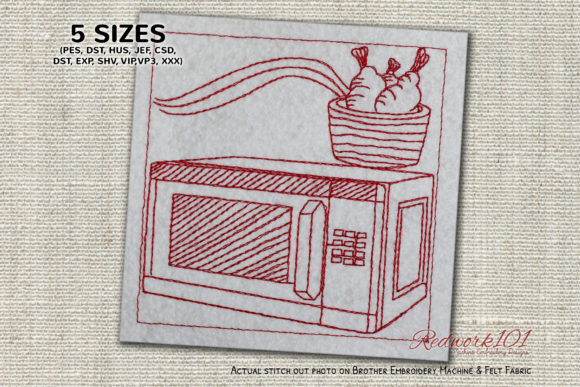
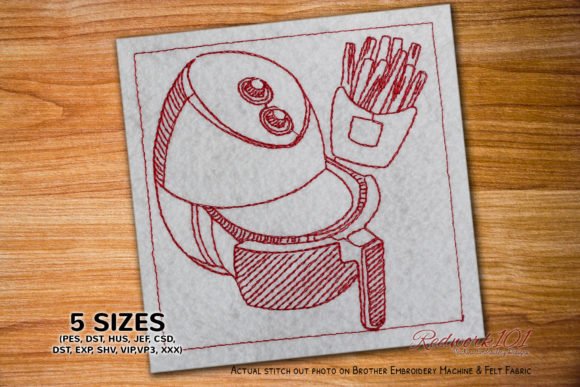
The first thing I noticed about Fryer Redwork is its nostalgic vibe. It feels like something pulled from a vintage cookbook or a cherished family recipe card. The red-on-white contrast is bold yet subtle, making it instantly recognizable as a redwork style. This kind of embroidery evokes warmth and tradition, which is perfect for projects that aim to feel handmade and heartfelt. The layout is clean, with a strong central motif and optional outer box stitch that adds framing without overwhelming the design.
What makes Fryer Redwork stand out is its adaptability. While the outer box is often stitched in a different color, it’s clearly marked as optional. This gives embroiderers the freedom to either embrace the traditional framing or let the main image speak for itself—especially useful if the design is part of a larger pattern or needs to fit into a specific branding scheme.
Real-World Applications and Project Fit
I recently tested Fryer Redwork on a custom embroidered tea towel for a local boutique's holiday collection. The results were impressive. The running stitches flowed smoothly, the fill areas were even, and the overall composition looked crisp after washing. That said, not every project will suit this design perfectly. Here’s where it shines and where to be cautious:
- Custom Apparel: Sweatshirts and t-shirts are great options, especially if you’re aiming for a soft, rustic look. Just ensure you have enough hoop space and the right stabilizer for knit fabrics.
- Tote Bags: The design works well on cotton or canvas tote bags. The optional outer box can serve as a decorative border, while the inner imagery remains clear and legible.
- Baby Clothes & Nursery Decor: With some adjustments to stitch density and thread choice, Fryer Redwork could add a sweet, vintage touch to onesies, bibs, or pillow covers.
- Embroidered Patches: The simplicity of the design allows it to translate well into patch form. It can be stitched on felt or woven backing, giving it a tactile, collectible quality.
- Kitchen Towels and Aprons: Given its kitchen category, I’d say it fits naturally here. The red thread stands out against white or cream linens, and the design doesn’t require too much detail that might fray after repeated use.
Projects to Approach with Care
While Fryer Redwork is versatile, there are situations where it might need more attention:
- Small Hoop Sizes: If you're working within tight dimensions, the outer box may get cut off unless you adjust the placement carefully.
- Textured or Stretchy Fabrics: These can cause distortion in the running stitches or make the fill areas appear uneven. Consider using a lightweight stabilizer to maintain clarity.
- Dark Fabric Backgrounds: The red thread loses its impact on darker materials. You’ll want to test it on black or navy fabric to see how visible it remains.
- Curved Surfaces (e.g., Caps): Curved stitching can affect the symmetry of the design. Always check how the file behaves on a mockup before committing to a full batch.
- Dense Stitch Areas: Some parts of the design may have heavier stitch coverage. Be mindful of puckering, especially if layering multiple colors or adding other decorative elements nearby.
Visual Appeal and Customer Perception
One of the most important aspects of any machine embroidery design is how it translates into a tangible product. Fryer Redwork delivers a warm, homey feel that customers respond to positively. Its monochrome nature also helps maintain brand consistency, especially for craft businesses or Etsy sellers who focus on minimalist or vintage aesthetics.
When stitched on the right fabric, the design retains a level of professionalism that makes it suitable for boutique branding. It’s not too playful, not too formal—it strikes a chord that many handmade shops aim for. As a personalized gift, it adds character and charm, particularly around the holidays or for themed items like baby showers or housewarming presents.
Design Notes for the Practical Embroiderer
Here are some tips I’ve picked up while working with Fryer Redwork across various projects:
- Test First: Always try the design on scrap fabric before moving to production. Check how the thread interacts with your chosen material and whether the stitch density holds up.
- Check Thread Contrast: If the outer box is optional, consider how removing it affects the overall presentation. Sometimes the box adds needed definition, especially on busy backgrounds.
- Review Stitch Density: Look at how densely packed the running stitches are. Too much can lead to puckering; too little might lose definition. Adjust as needed based on fabric weight.
- Confirm Hoop Size: Make sure your hoop is large enough to accommodate the entire design, including any optional elements you plan to include.
- Inspect Small Details: While Fryer Redwork isn’t overly intricate, it still has fine lines and curves. Ensure your embroidery machine can handle them accurately.
- Use Proper Stabilizer: Especially on stretchy or thin fabrics, a good stabilizer is essential to prevent distortion and keep the design looking sharp.
- Test in Black and White: Since it’s a redwork-style design, seeing it in grayscale can help you understand how it will perform if printed digitally or viewed under certain lighting conditions.
- Compare Light and Dark Backgrounds: Use sample swatches to see how the design looks on different colors. This helps you decide if the red thread will pop or fade.
- Commercial Use Considerations: Before selling products featuring Fryer Redwork, verify the licensing terms. Not all embroidery files allow resale or reproduction, so this step is crucial for Etsy sellers and digital product creators.
Final Thoughts for Creative Entrepreneurs
Fryer Redwork is a solid addition to any embroidery designer’s toolkit. It’s not flashy, but it’s far from forgettable. When applied thoughtfully, it can enhance the perceived value of a handmade product and increase buyer engagement by offering a familiar, comforting visual language.
For those considering it for their next sweatshirt embroidery or holiday gift, I recommend starting with a single piece. Evaluate the stitch behavior, thread visibility, and overall finish before scaling up. And remember, even though the outer box is optional, don’t skip checking how its removal affects the design’s integrity.
In short, Fryer Redwork is best suited for projects where simplicity and sentimentality matter. It’s not just an embroidery file—it’s a design that tells a story. And in today’s market, where customers are drawn to authenticity and craftsmanship, that can be a powerful asset.