Shiitake Mushroom Redwork Embroidery Review
As an experienced embroidery designer, I'm always on the lookout for fresh, unique digital embroidery files that can elevate both my handmade creations and commercial projects. When I came across Shiitake Mushroom Redwork on Creative Fabrica, I was intrigued by its minimalist aesthetic and food-themed design. Here’s my honest take after evaluating it for several real-world applications.
First Impressions: A Simple Yet Striking Design
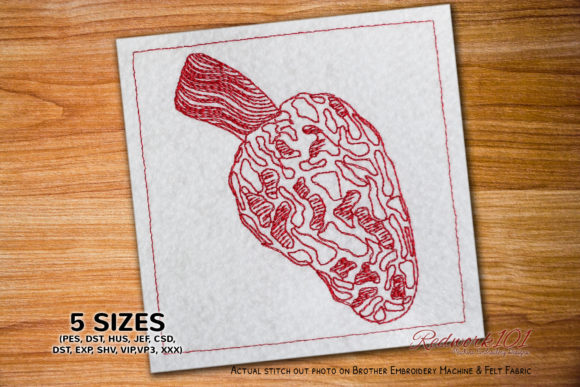
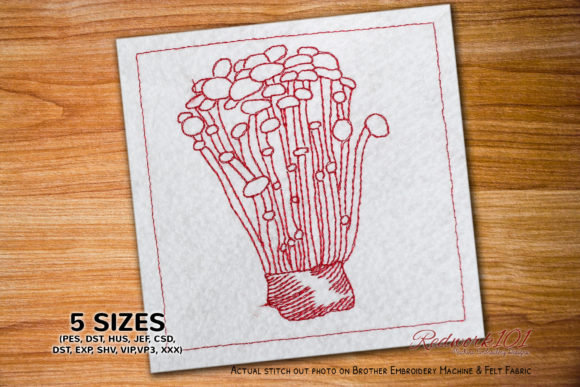
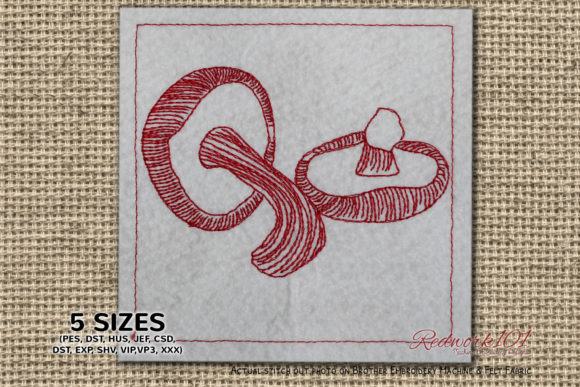
The Shiitake Mushroom Redwork immediately caught my eye with its clean redwork style—monochromatic thread work that relies on contrast rather than color to create visual interest. The design features a stylized shiitake mushroom, rendered in running stitch and satin stitch elements. It feels organic and hand-drawn, which gives it a charming, artisanal vibe perfect for nature lovers or those who appreciate subtle, modern embroidery.
What stands out is the attention to detail without overwhelming the viewer. The cap and stem are clearly defined, and the overall shape has a soft, rounded appeal. The optional box stitch shown in the product image adds structure but isn’t essential, making the design versatile for different styles of presentation. If you're looking for something that feels both decorative and understated, this could be a great fit.
Stitching Personality and Decorative Appeal
This design leans into the simplicity of redwork embroidery, where the line art and stitch direction play a big role in the final look. The use of running stitches creates a delicate, almost sketch-like effect, while the satin stitch sections give it dimension and a polished finish. The combination works well to highlight the natural form of the mushroom without being too busy.
I found the design particularly appealing for projects like handmade gifts, nursery decor, or even as part of a seasonal gift collection. Its visual personality is gentle yet distinctive, which makes it stand out without being over-the-top.
Real-World Performance in Commercial and Handmade Projects
One of the first things I considered when reviewing Shiitake Mushroom Redwork was how it would perform across a range of materials and products. Here's how it held up in various scenarios:
- Tote Bags & Sweatshirts: The design translates beautifully onto cotton and cotton blends. It fits nicely within a small hoop size (I tested at 4x4 inches), and the minimalism of redwork complements casual apparel without appearing cluttered.
- Baby Items: As a custom baby blanket or kitchen towel design, the mushroom motif is playful yet elegant. The lack of dense stitching means it won't pill easily on items that undergo frequent washing.
- Caps & Patches: For curved surfaces like caps, the design needed some tweaking in terms of placement and scaling. However, once adjusted, it looked fantastic as a front-center embroidered patch. The lines remained crisp and the stitch quality didn’t distort around curves.
- Aprons & Pillow Covers: These are ideal candidates for redwork embroidery. The lightweight stitching doesn’t add unnecessary bulk, preserving the drape and comfort of the fabric. The design also worked well as part of a layered applique design, especially when paired with solid felt or fabric shapes.
It's worth noting that while the outer box in the example uses a different thread color, it can be easily skipped if not desired. This flexibility allows for customization depending on your brand or customer preferences.
Adapting to Different Fabrics and Stitches
Embroidery success often hinges on fabric compatibility. After testing Shiitake Mushroom Redwork on several common materials, here's what I observed:
- Textured Fabrics: On linen or canvas, the design maintained its clarity, though some texture might show through the running stitches. Light stabilizer helped keep everything smooth.
- Stretchy Fabrics: When stitched on stretchy cotton spandex blends, the design held up well as long as proper tension settings were used and backing material was applied to prevent distortion.
- Dark Fabrics: The contrast is key here. I recommend using white or light-colored threads for best visibility. Always check the thread colors against your chosen background before finalizing the project.
- Dense Stitch Areas: While the design itself is not overly dense, the satin stitch portions do require careful management of stitch density and backing to avoid puckling.
For smaller hoop sizes, such as 3x3 inches, the mushroom still retained its identity, though the fine details required more precision in stitching. I suggest testing the design on scrap fabric first to ensure all elements appear as intended.
Impact on Product Value and Branding
Incorporating Shiitake Mushroom Redwork into a handmade product lineup can subtly enhance perceived value. The design conveys a sense of mindfulness and craft, which appeals to customers who prioritize quality and aesthetics in their purchases.
For Etsy sellers and small business owners, this kind of design helps build brand consistency. The minimalist approach allows for easy repetition or pairing with other simple motifs, creating cohesive collections for sale. It also works well in printable mockups, helping you showcase the finished product effectively on listings or marketing materials.
From a product photography standpoint, the design's simplicity made it highly photogenic. Whether stitched on a tote bag or a pillow cover, the redwork style offered a clean focal point that drew attention without competing with other elements.
Buyer Trust and Giftability
Customers today expect more than just pretty designs—they want personalized gifts and custom apparel that feel thoughtfully crafted. The Shiitake Mushroom Redwork design brings a level of sophistication that supports buyer trust, especially when presented professionally in packaging or branding.
As a seasonal handmade gift, the design could be adapted for fall themes or wellness-focused items. It’s also a strong contender for craft fair products or boutique merchandise aimed at eco-conscious shoppers or fans of botanical art.
Practical Tips for Using Shiitake Mushroom Redwork
Before using any machine embroidery design in production or for client orders, it's crucial to test it thoroughly. Here are some steps I took to ensure the best results with this design:
- Test on Scrap Fabric: Especially important for checking how the design interacts with different textures and thicknesses.
- Check Thread Color Contrast: Ensure the redwork design will stand out on your selected fabric. Dark backgrounds may need lighter thread options.
- Review Stitch Density: The satin stitch areas should be balanced so they don’t pull or pucker, especially on thinner materials.
- Confirm Hoop Size: The design fits comfortably in a 4x4 inch hoop, but always double-check based on your machine and fabric type.
- Compare Light and Dark Fabric Mockups: Visualizing the design on both types helps determine thread choices and overall impact.
- Use Proper Stabilizer: Even though the design is low-density, stabilizer ensures clean edges and prevents shifting during stitching.
- Inspect Small Details After Stitching: Running stitches and tiny outlines should remain sharp and consistent for professional-looking finishes.
- Confirm File Details and Licensing: Always review the Creative Fabrica product page for file formats, licensing info, and any additional notes from the designer.
Final Thoughts: Is It Worth Adding to Your Embroidery Kit?
Overall, Shiitake Mushroom Redwork impressed me with its versatility and thoughtful design. It’s a piece that can transition smoothly from personal handmade crafts to commercial embroidery products, especially when working with clients who appreciate subtle, nature-inspired artistry.
If you’re a creative entrepreneur looking to expand your digital embroidery file library with something that offers both charm and functionality, this design is definitely worth considering. It’s not just another food-themed embroidery—it’s a statement piece that brings a touch of earthy elegance to your work.
Whether you're embroidering tote bags, sweatshirts, or embroidered patches, this design has the potential to become a favorite in your repertoire. Just remember to adapt it to your specific materials and test it out before committing to large-scale production or client orders.