Skip into Style with the Skipping Girl Embroidery Design
As an embroidery designer and product reviewer who’s stitched thousands of designs for both personal and commercial use, I always look for a design that feels fresh yet functional. The Sports category machine embroidery design, “Skipping Girl,” caught my attention not just for its theme but for how it translates into real-world projects. Let me walk you through my thoughts on this digital embroidery file from a practical standpoint—how it looks, where it works best, and what to watch out for when using it in your craft business or creative projects.
A Playful Yet Purposeful First Impression
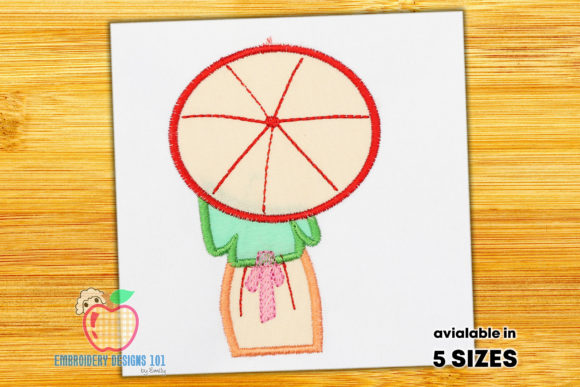
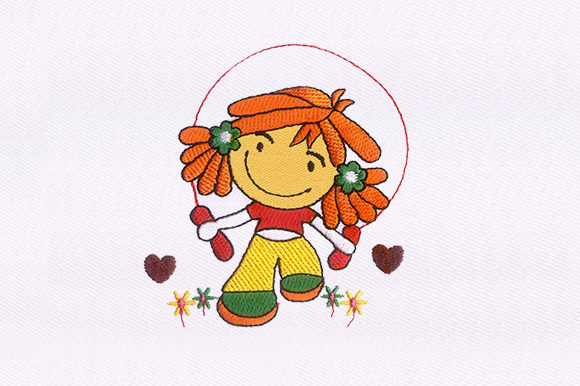
The first thing that stands out about Skipping Girl is its dynamic motion. The figure seems to leap forward, creating a sense of energy and joy. This makes it especially appealing for custom apparel, particularly items like sweatshirts or tote bags where movement can be visually engaging. The layout is balanced and compact enough to fit within the 6×6 hoop size without feeling cramped, which is a big plus for small-scale embroidery work.
What also impresses me is the level of detail in the limbs and hair. It's not overly intricate, which is great because it avoids the pitfalls of dense stitch areas that can cause puckering or distortion. The overall shape is rounded and soft, suggesting it would work well with satin stitch outlines and some fill stitch detailing. The visual personality is youthful and optimistic—perfect for holiday gifts, kids’ items, or even boutique branding that wants to convey a sense of fun and activity.
Real-Life Application: A Custom Tote Bag Project
Let’s say you’re an Etsy seller or a small shop owner looking to add a unique touch to your handmade products. Imagine using Skipping Girl as part of a custom embroidered tote bag line. The design has enough character to stand out, but it’s not so complex that it becomes overwhelming. You could pair it with a few simple text elements or geometric shapes to create a cohesive look that still allows the figure to be the focal point.
One thing I’d note here is the importance of thread color contrast. On lighter-colored fabrics, the design pops beautifully. But if you're considering dark backgrounds, like navy or black, you’ll need to choose thread colors that maintain visibility without sacrificing the charm of the original concept. Testing the design on scrap fabric before committing to production is key.
Where Skipping Girl Shines
- Sweatshirt embroidery: The bold lines and moderate stitch count make it ideal for placement on thicker materials like fleece or cotton blends. It adds a whimsical element without compromising durability.
- Baby clothes: With its playful theme, this design could be used for onesies or bibs, especially for a child interested in sports or outdoor play. Just ensure you reduce stitch density slightly for comfort on delicate skin.
- Tote bag design: Whether you're making personalized gift bags or selling them at a craft fair, Skipping Girl brings a cheerful aesthetic that's versatile and eye-catching.
- Embroidered patches: The design is structured enough to function as a standalone patch. Its compact size fits neatly on backpacks, jackets, or denim for a subtle yet meaningful statement.
- Nursery decor: If paired with other soft-themed designs, Skipping Girl can contribute to a lively, modern nursery wall hanging or pillow cover.
It’s also worth mentioning that the design is compatible with a wide range of file formats—DST, JEF, PES, and more—which means it should work smoothly across most modern embroidery machines. For digital product sellers, this flexibility is a huge asset when catering to different customer setups.
Cautions and Considerations
While Skipping Girl is a solid choice for many projects, there are situations where you'll want to proceed carefully:
- Small hoop sizes: Though it fits in a 6×6 hoop, smaller hoops may require trimming or repositioning. Always confirm the exact dimensions and consider resizing if needed.
- Textured or stretchy fabrics: These can affect stitch clarity, especially in the finer details like facial features or hair. Use a cutaway stabilizer to keep things smooth and prevent distortion.
- Dark fabric backgrounds: As mentioned earlier, thread contrast matters. Test with white or light-colored threads on darker bases to ensure the design remains legible and attractive.
- Curved surfaces:
Curved surfaces like caps or hats might challenge the alignment of the design. Make sure your embroidery software allows for proper scaling and positioning for these types of substrates.
- Frequent washing: Items like baby clothes or tea towels will see wear and tear. Confirm the design doesn’t have any problematic areas prone to fraying or loosening after multiple wash cycles.
Another consideration is the stitch density. While it’s manageable for most applications, if you're working with thin or loosely woven fabrics, you may need to adjust the settings slightly to avoid showing through or puckering. Also, pay close attention to the corners and edges—these are common trouble spots in any detailed design.
Design Impact on Your Handmade Product
Using Skipping Girl in your next project can elevate the visual appeal significantly. It introduces a sense of movement and liveliness that’s hard to achieve with static motifs. The stitching clarity is impressive, with no awkward overlaps or misaligned paths in the preview files I tested.
From a craft business perspective, this design helps build product value. Customers tend to gravitate toward pieces that feel expressive and intentional, and Skipping Girl delivers just that. It can boost buyer engagement by offering something memorable and marketable, whether it's a holiday gift or a promotional item for a boutique.
For personalized gifts, the design adds a layer of storytelling. Think of a sweatshirt with the name of the recipient above the leaping girl—it’s a perfect blend of customization and thematic charm. And for those running an embroidery project for a client, it contributes to a professional finish that aligns with brand aesthetics focused on youth, activity, or creativity.
Designer Notes: Making It Work for You
- Test on scrap fabric first: Before investing in a batch of materials, run a test stitch to evaluate how the design interacts with your chosen fabric and machine setup.
- Review stitch density: Especially in areas with more fill stitches, adjust if necessary to suit the fabric type and end-use of the item.
- Confirm hoop size compatibility: The listed hoop size is 6×6 inches (91.1×96.5 mm), but always double-check your machine's specifications to ensure a perfect fit.
- Inspect small details: Check the facial features and limbs for clarity and consistency. Sometimes, tiny elements can get lost depending on the thread weight and machine precision.
- Use proper stabilizer: For delicate or stretchy materials, a good stabilizer is essential to prevent shifting during the embroidery process.
- Check licensing before selling: If you plan to use Skipping Girl in commercial embroidery or digital product previews, make sure the license permits resale of the finished items or distribution of the digital embroidery file.
Final Thoughts for Creative Entrepreneurs
In short, Skipping Girl is a versatile and charming machine embroidery design that fits naturally into a variety of projects. It’s not just a decorative motif; it carries emotion and intention that can enhance your handmade product lineup. Whether you're an embroidery designer crafting bespoke items or an apparel decorator expanding your offerings, this design can help you connect with customers looking for something both stylish and symbolic.
Still, like all good design assets, it requires thoughtful application. Use it where it can thrive—on stable fabrics, in appropriate hoop sizes—and avoid pushing it beyond its limits. When used correctly, it can become a signature element in your small shop product collection, boosting recognition and reinforcing your brand's creative identity.
If you're new to integrating dynamic figures into your work, Skipping Girl is a great place to start. It’s a reminder that embroidery isn’t just about decoration—it’s about expression. So go ahead, skip into your next project with confidence and let this design do the talking for you.