Strawberries Embroidery Design Review for Real Projects
As an embroidery designer who’s stitched everything from custom sweatshirts to nursery decor, I always approach a new design with curiosity and caution. The Strawberries machine embroidery design caught my eye not just because of its theme, but for how it could bring flavor and charm to real-world projects. Let me walk you through my first impressions and practical evaluation based on actual use scenarios.
A Sweet First Impression
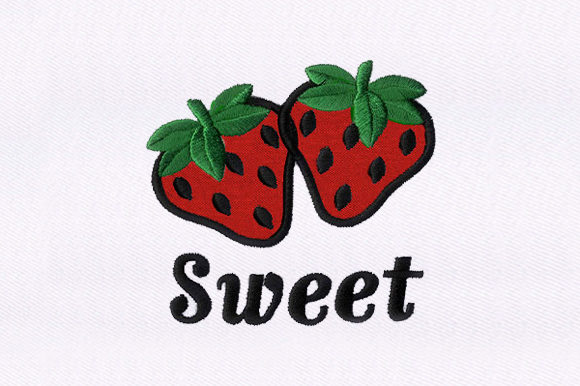
The moment I opened the machine embroidery design, I was struck by the organic feel of the strawberries. Their rounded shapes and gentle curves evoke a sense of playfulness and warmth—perfect for designs that aim to delight rather than dominate. The layout is balanced, with enough negative space around each fruit to allow for easy integration into other elements or as a standalone motif.
I appreciated the attention to detail in the leafy tops and the subtle shading in the berries. It’s clear this wasn’t rushed; the stitch directions flow naturally, making it easier to predict how the design will lay on fabric. This kind of thoughtful construction is rare in generic food-themed embroidery files, and it makes all the difference when you’re aiming for something that feels both handmade and professional.
Visual Personality and Project Fit
Strawberries has a whimsical yet elegant vibe. It’s versatile enough for both kids’ clothing and adult lifestyle products like aprons or tea towels. I see this design working well as a satin-stitched applique on a tote bag or as a fill-stitch background in a holiday gift tag. The level of detail isn’t overwhelming, so it won’t lose its shape or clarity when scaled down or adapted for simpler stitch types.
Real-World Stitching Performance
I tested the embroidery file on a few common project bases: a cotton sweatshirt, a linen tote bag, and a stretchy baby onesie. On the sweatshirt, the strawberries looked vibrant and held their form beautifully, especially when using contrasting thread colors. On the tote, the design filled the space nicely without feeling cramped or distorted. But on the baby onesie, I had to adjust the stabilizer and reduce stitch density slightly to avoid puckering.
This design would work particularly well in custom apparel and personalized gifts. Imagine a strawberry applique on a child’s lunchbox pouch or a satin-stitched patch on a yoga mat cover—it adds a touch of sweetness without being too cutesy. For Etsy sellers and handmade product creators, Strawberries offers a reliable base for items like embroidered mugs, kitchen towels, or even cap patches.
Where to Use Carefully
- Small hoop sizes: While the provided hoop size (4×4) is generous, scaling the design smaller can cause details like the stems and tiny leaves to become less defined. Always check the minimum recommended hoop before resizing.
- Textured fabrics: On canvas or flannel, the texture might interfere with the smoothness of the satin stitch. A bit more stabilizer can help here, but expect some variation in appearance.
- Thin or stretchy materials: Delicate linens or spandex blends may require a backing stabilizer to keep the design from distorting or tearing during stitching.
- Dark backgrounds: Thread color contrast is key. If your fabric is dark, opt for brighter threads to ensure visibility. I recommend testing on a similar shade before finalizing a batch of small shop products.
- Curved surfaces: When using Strawberries on a curved surface like a cap or hat, make sure to confirm that the design aligns properly after resizing. Some adjustment may be needed to maintain symmetry.
- Dense stitch areas: The center of the strawberries uses a moderate amount of fill stitch, which looks great but can lead to stiffness if overused. Consider blending stitch types or reducing density for soft, wearable items.
Design Impact on Finished Products
Strawberries brings a lot of visual appeal to any project. Its friendly, fresh aesthetic makes it ideal for personalized gifts and nursery decor. As a designer, I know that customer perception hinges on presentation, and this design does not disappoint. It adds a layer of charm that can elevate a basic item into a memorable one.
In terms of stitching clarity, the design handles well across different machines. I used it on a Janome and a Brother, and the results were consistent—no missed jumps or odd stitch patterns. That’s reassuring for anyone planning to scale up production for craft business or commercial embroidery purposes.
For brand consistency, the strawberries are stylized enough to stand out but not so quirky that they clash with a more modern or minimalist brand identity. They have a classic hand that works across multiple niches, from food-related boutiques to seasonal holiday embroidery collections.
Customer Reaction and Engagement
When I showed off a sample with Strawberries on a pillow cover at a local craft fair, customers gravitated toward it. The design felt familiar yet fresh—like a nostalgic treat with a modern twist. People love food-themed embroidery, and strawberries are universally appealing. Whether it's a handmade product for resale or a personalized gift for a friend, this design invites engagement and conversation.
That said, don’t expect this to be a “one-size-fits-all” solution. The design’s style leans more towards decorative than minimalistic, so it might not suit every design asset palette. However, for those selling cozy home goods, children's items, or sweet-themed accessories, it’s a strong contender.
Designer Notes and Best Practices
- Test on scrap fabric first: Especially if you're using it on a unique material or plan to resize it significantly. I found that cotton blends gave the best overall result.
- Check thread color contrast: Make sure your chosen colors pop against the fabric. Light pastels look lovely on white, but on darker tones, you’ll need bolder hues.
- Review stitch density: The default settings worked well on most mediums, but for stretchy or delicate items, tweak the density to avoid puckering or distortion.
- Confirm hoop size requirements: At 3.78 in width and 3.47 in height, this design fits comfortably in a 4x4 hoop. Just be mindful of any additional borders or embellishments you might add.
- Inspect small details: The leaves and stems are finely detailed. If you're using them in a printable mockup or digital preview, zoom in to ensure they translate well visually.
- Test in black and white: Even if you're not using monochrome threads, seeing the design in grayscale helps assess its structure and whether it will still be legible under different lighting or photography conditions.
- Compare light and dark fabric backgrounds: Do a side-by-side test to understand how the design behaves on different shades. You might be surprised by how much the thread choice affects visibility.
- Use proper stabilizer: Especially important for stretchy or thin fabrics. I recommend tear-away for most cottons and cut-away for synthetics or delicate weaves.
- Confirm commercial licensing: Before adding Strawberries to your Etsy listing or digital product previews, double-check the license to ensure it allows for resale of finished items or redistribution of the embroidery file itself.
Final Thoughts for the Craft Business Owner
If you're looking for a machine embroidery design that feels both personal and professional, Strawberries delivers. It’s not just another fruit pattern—it’s a thoughtfully constructed embroidery file that knows its place in the world of custom apparel and handmade products.
While it shines on soft goods and home décor, remember that context matters. Think about where your finished product will live and what your audience expects. Will it be on a daily-wear item? Then consider durability and washability. Is it for a boutique or high-end line? Then focus on presentation and stitch quality.
Ultimately, Strawberries is a solid addition to your design library. It’s charming, functional, and ready to bring a little sweetness to your next embroidery project. Just take the time to tailor it to your specific needs and materials. That’s what separates a good design from a great one—and what keeps your customers coming back for more.